
Behind the Lens- Photography Process
Behind the Lens: How We Capture Authentic Winter Macro Photography
When you purchase a canvas print from us, you're not buying stock photography or digitally created art. You're bringing home a genuine moment captured in Washington State's wilderness—the result of hours of hiking, waiting, and dedication to revealing nature's hidden beauty.
This is the story behind the images. The early mornings, the challenging conditions, the moments of wonder that make it all worthwhile.
The Commitment to Authenticity
In an age of AI-generated images and heavily manipulated photography, The Virtue of God stands apart. Every image in our collection represents real field work—actual frost crystals, genuine landscapes, authentic moments in nature.
What "authentic photography" means:
✓ No stock photography - Every image is original, captured by Martha Solo, photographer/founder/owner of The Virtue of God brand
✓ No digital manipulation - Colors, textures, and details are real, not artificially enhanced
✓ No artificial elements - What you see existed in nature exactly as photographed
✓ Real locations - Captured in Washington's national and state parks
✓ Real conditions - Shot in actual weather, lighting, and seasonal conditions
This commitment to authenticity means more than just honest photography. It means spending hours in freezing rain, hiking 10-mile mountain trails, and returning to locations repeatedly until conditions align perfectly.
Where the Magic Happens: Washington's Wild Spaces
The Virtue of God's photography comes from some of the Pacific Northwest's most breathtaking locations:
Mt. Rainier National Park
The iconic 14,410-foot volcano provides endless photographic opportunities across its 236,000 acres. From subalpine meadows bursting with wildflowers to ancient forests draped in moss, Mt. Rainier's diverse ecosystems offer year-round beauty.
What we capture here:
- Alpine wildflowers in summer meadows
- Frost-covered vegetation in transition seasons
- Misty forest details and macro textures
- Dramatic landscape vistas
Olympic National Park
One of the most ecologically diverse parks in North America, Olympic spans temperate rainforests, rugged coastline, and glacier-capped mountains. The park's unique microclimate creates ideal conditions for macro photography.
What we capture here:
- Rainforest moss and lichen details
- Coastal textures and tide pool life
- Mountain wildflowers and alpine plants
- Fog-shrouded forest atmospheres
North Cascades National Park
Often called the "American Alps," North Cascades features jagged peaks, pristine lakes, and over 300 glaciers. The park's remote wilderness requires commitment to access, but rewards photographers with untouched natural beauty.
What we capture here:
- Alpine lake reflections
- Mountain wildflowers and tundra plants
- Glacial landscapes and ice formations
- Dramatic seasonal transitions
Washington State Parks
Beyond the national parks, Washington's state parks offer intimate natural spaces perfect for macro work. From coastal forests to inland wetlands, these accessible locations provide endless photographic subjects.
What we capture here:
- Seasonal foliage and frost formations
- Native plant details and textures
- Wetland ecosystems and water features
- Local flora throughout the seasons
The Photography Process: From Trail to Canvas
Step 1: Planning & Preparation
Great nature photography starts long before arriving at a location.
Research:
- Study weather patterns and seasonal timing
- Monitor frost forecasts and temperature drops
- Track sunrise/sunset times for optimal lighting
- Research trail conditions and accessibility
Equipment preparation:
- Professional macro equipment for 1:1 magnification
- Weatherproof gear protection
- Tripod for stability in low light
- Reflectors for light control
Physical preparation:
- Many locations require 10-mile round-trip hikes
- Elevation gain can exceed 2,000-3,000 feet
- Trails may be snow-covered or muddy
- Weather can change rapidly in mountains
Step 2: The Journey
Timing is everything. Most shoots begin before sunrise, requiring 3-4am wake-up calls to reach locations at first light.
Why sunrise and sunset?
- Golden hour light - Warm, directional light enhances colors and textures
- Soft shadows - Diffused light reveals details without harsh contrast
- Atmospheric conditions - Morning dew, mist, and frost create magical moments
- Fewer crowds - Pristine, undisturbed scenes
The reality:
- Hiking in darkness with headlamps
- Navigating slippery, uneven terrain
- Enduring cold, rain, snow, or wind
One memorable shoot involved spending several hours in heavy rain and freezing temperatures, waiting for a brief break in the clouds to capture frost-covered leaves with perfect backlighting. The discomfort was real—but so was the resulting image.
Step 3: Finding the Subject
Macro photography requires a different way of seeing. While landscape photographers scan horizons, macro work demands attention to the small, the overlooked, the hidden.
What we look for:
- Frost formations - Delicate ice crystals on leaves, stems, and petals
- Texture and pattern - Natural geometry in plant structures
- Color relationships - Complementary or contrasting natural palettes
- Light interaction - How sunlight filters through leaves or illuminates frost
- Unique details - The extraordinary in the ordinary
This process can't be rushed. Finding the perfect subject might take 30 minutes or 3 hours. Sometimes it means lying on the ground, sometimes kneeling in mud, sometimes contorting into awkward positions to capture the right angle.
Step 4: The Technical Work
Macro photography presents unique technical challenges:
Depth of field:
- At 1:1 magnification, depth of field is measured in millimeters
- Requires precise focus on the most important element
- Often means multiple exposures to capture full detail
Stability:
- Even slight movement creates blur at macro magnification
- Tripod essential, even in awkward positions
- Wind is the enemy—sometimes requires waiting for still moments
Lighting:
- Natural light preferred for authentic colors
- Reflectors used to fill shadows without artificial look
- Timing critical—light changes minute by minute
Composition:
- Rule of thirds guides placement
- Negative space creates breathing room
- Background blur (bokeh) isolates subject
Step 5: Patience & Persistence
The difference between good and extraordinary nature photography is often patience.
Waiting for:
- Perfect light angle as sun moves
- Wind to stop for sharp focus
- Clouds to part or diffuse harsh sun
- Frost to form or melt to ideal state
Sometimes this means returning to the same location multiple times across different days, weeks, or seasons.
Step 6: The Hike Out
After hours of shooting, the journey isn't over. The hike out—often 5-10 miles—requires the same care and attention as the hike in, now with tired legs and the weight of equipment.
But there's a satisfaction in knowing the memory card holds something special. Images that capture moments most people will never witness. Details that reveal nature's hidden artistry.
Shooting in All Seasons & Conditions
Martha doesn't wait for perfect weather. Some of the most compelling images come from challenging conditions.
Winter: Frost & Snow
Conditions:
- Temperatures below freezing
- Early morning shoots
- Frost formation window: 30-90 minutes after sunrise
- Risk of frostbite on exposed skin
Challenges:
- Fingers go numb, making camera operation difficult
- Frost melts rapidly as sun warms
- Ice on trails creates hazardous footing
Rewards:
- Crystalline frost formations
- Delicate ice patterns
- Warm sunrise light on cold subjects
- Unique seasonal beauty
Spring: Renewal & Growth
Conditions:
- Unpredictable weather (rain, sun, wind, snow)
- Muddy, slippery trails
- Rapidly changing light
- Insects and wildlife activity
Challenges:
- Rain protection for equipment
- Wind disrupts macro subjects
- Timing bloom cycles (flowers last days, not weeks)
- Crowded trails as hiking season begins
Rewards:
- Fresh spring growth and new leaves
- Wildflower blooms
- Vibrant green colors
- Sense of renewal and awakening
Summer: Abundance & Color
Conditions:
- Long daylight hours (sunrise 5am, sunset 9pm)
- Warm temperatures (60-85°F)
- Clear skies with intense sunlight
- Peak wildflower and garden bloom season
- Botanical gardens and greenhouses accessible
Challenges:
- Harsh midday light - Requires early morning or late evening shooting for soft, directional light
- Crowded trails and parks - Popular summer hiking season means less solitude
- Wind disrupts delicate subjects - Flower petals and leaves move constantly, requiring patience
- Timing blooms - Roses, irises, dahlias, and lilies have specific bloom windows
- Heat affects equipment - Cameras and batteries can overheat in direct sun
- Catching perfect light on roses - Sunlight angle critical for revealing petal texture and color depth
Rewards:
- Vibrant floral closeups - Macro photography of roses, irises, dahlias, tulips, hydrangeas, lilies
- Exotic flowers - Botanical gardens offer rare species and cultivated beauty
- Wildflower meadows - Alpine locations burst with color (Tipsoo Lake meadows)
- Lush green foliage - Forest trees and leaves at peak vitality
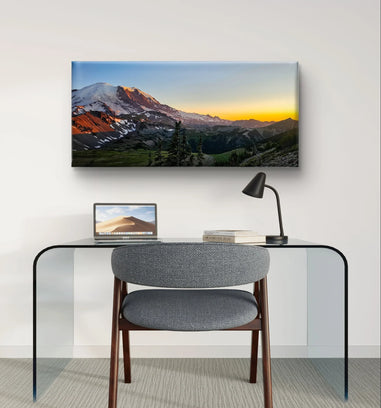
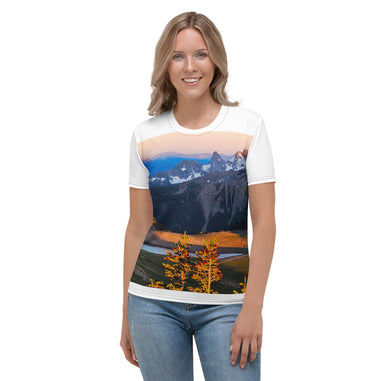
- Mountain landscapes - Clear skies reveal dramatic vistas (Mt. Rainier at sunset)
- Alpine lakes - Crystal-clear water reflects surrounding peaks
- Bright, saturated colors - Summer light intensifies natural pigments
- Magical moments - Like discovering a pink rose with a colorful dragonfly perched on its petals
Memorable Summer Moments:
Mt. Rainier at Sunset:
After hiking to an alpine viewpoint, waiting as the setting sun painted the glaciated peak in warm golden light—the kind of moment that reminds you why you hiking for miles.
The Rose and the Dragonfly:
While photographing a delicate pink rose in perfect morning light, a colorful dragonfly landed on the petals and stayed long enough for several frames. These unplanned encounters with nature's beauty are what make authentic photography irreplaceable.
Tipsoo Lake Meadows:
Standing in a sea of wildflowers at 5,400 feet elevation, with Mt. Rainier towering in the background—the abundance of summer on full display. The challenge: choosing which flowers to photograph when surrounded by thousands.
Autumn: Transition & Warmth
Conditions:
- Cooling temperatures (40-60°F)
- Shorter days (sunrise 7am, sunset 6pm)
- Increased rainfall
- Fall foliage color changes
Challenges:
- Timing peak color (varies by elevation and species)
- Rain and wind damage delicate subjects
- Shorter shooting windows
- Rapidly changing conditions
Rewards:
- Warm autumn colors (burgundy, gold, orange)
- Dramatic lighting and atmosphere
- Seasonal transitions captured
- Cozy, nostalgic aesthetic
Rain & Storm Conditions
Some of the most memorable shoots happen in weather most people avoid.
Why shoot in rain:
- Saturated colors (wet surfaces reflect more light)
- Dramatic atmosphere and mood
- Water droplets add visual interest
- Fewer crowds, pristine conditions
The reality:
- Constant equipment protection
- Limited visibility and challenging light
- Physical discomfort (cold, wet, muddy)
- Risk of hypothermia in prolonged exposure
One particularly challenging shoot involved several hours in heavy rain and freezing temperatures. Hands went numb. Equipment required constant drying. But the resulting images—rain-soaked leaves with perfect water droplets—made the discomfort worthwhile.
The Equipment: Professional Macro Photography
While The Virtue of God doesn't disclose specific camera models, the work relies on professional macro equipment capable of revealing nature's microscopic details.
What "professional macro equipment" means:
Macro lenses:
- 1:1 magnification ratio (subject appears life-size on sensor)
- Reveals details invisible to naked eye
- Shallow depth of field creates beautiful background blur
- Sharp edge-to-edge resolution
Camera bodies:
- High-resolution sensors (20+ megapixels)
- Excellent low-light performance
- Fast, accurate autofocus
Why professional equipment matters:
- Captures microscopic frost crystal formations
- Reveals leaf cellular structure and texture
- Maintains sharpness at extreme magnification
- Produces print-quality resolution (300 DPI)
The Ethics: Leave No Trace
The Virtue of God follows Leave No Trace principles to protect the wild spaces that inspire our work.
Our commitments:
✓ Stay on designated trails - Prevents erosion and habitat damage
✓ Don't disturb wildlife - Observe from distance, never bait or harass
✓ Leave what you find - Don't pick flowers, move rocks, or alter scenes
✓ Pack out all trash - Leave locations cleaner than found
✓ Respect closures - Honor seasonal and conservation restrictions
✓ Minimize impact - Use existing campsites, avoid trampling vegetation
✓ Share responsibly - Don't disclose sensitive locations that could be damaged by crowds
Why this matters:
Nature photography has a responsibility to protect the subjects and locations it celebrates. By following ethical practices, The Virtue of God ensures these wild spaces remain pristine for future generations—and future photographs.
Why Authentic Photography Matters
In a world of AI-generated images and heavily manipulated digital art, authentic photography offers something irreplaceable: truth.
What you get with authentic photography:
Real moments: Every image represents a genuine moment in time—frost that actually formed, light that actually fell, colors that actually existed.
Emotional connection: Knowing these images are real creates deeper emotional resonance. You're not looking at someone's digital creation; you're witnessing nature's artistry.
Biophilic benefits: Research shows authentic nature imagery provides greater stress reduction and wellness benefits than artificial or manipulated images. Your brain recognizes the difference.
Supporting conservation: By purchasing authentic nature photography, you support photographers who spend time in—and advocate for—wild spaces.
Unique artwork: These images can't be replicated. The exact frost formation, light angle, and moment will never occur again. Your print is truly one-of-a-kind.
The Story Behind Our Collections
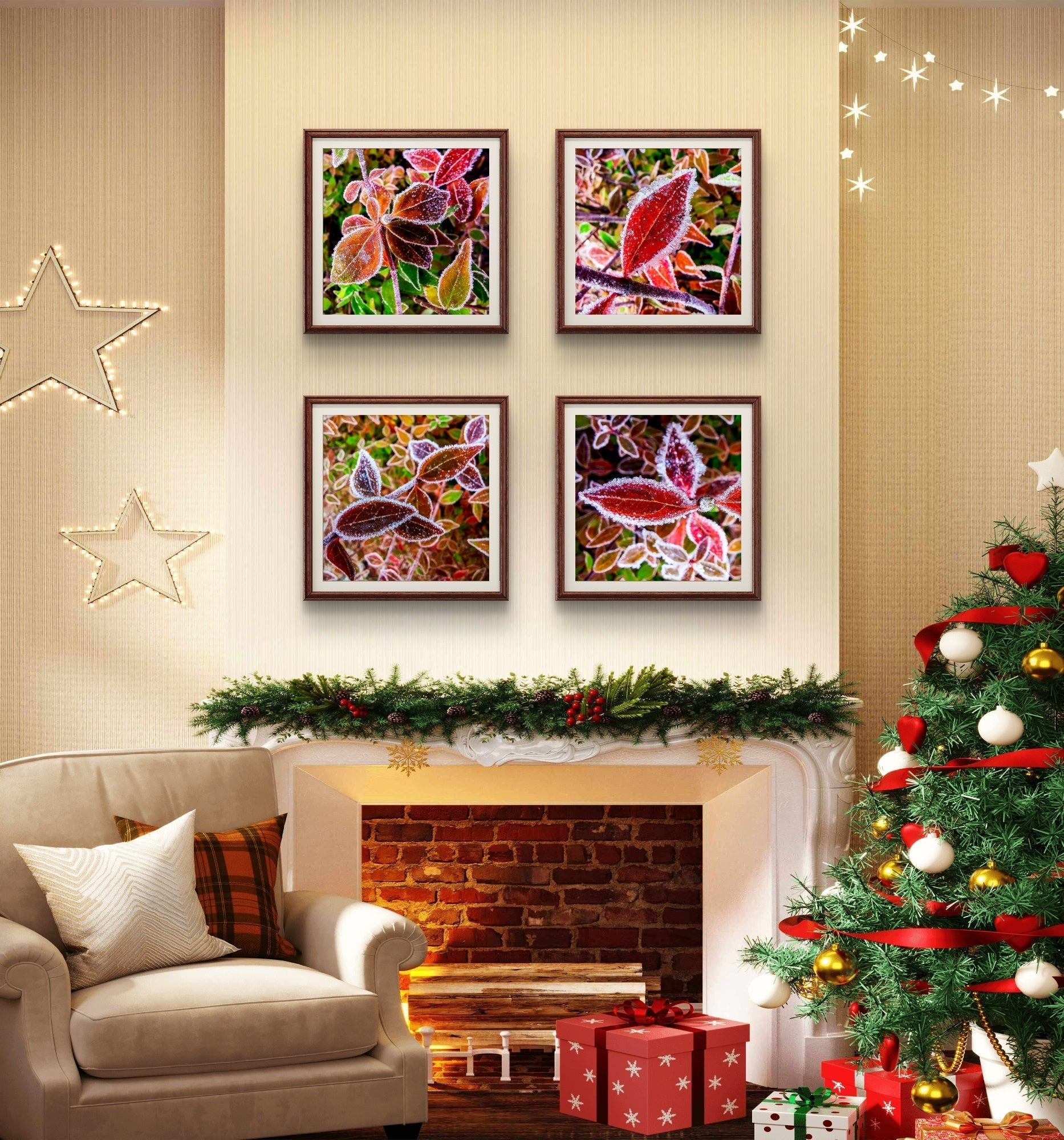
Winter Frozen Collection
Captured during Washington's brief frost season (November-February), when temperatures drop just below freezing and morning moisture crystallizes on vegetation.
The challenge: Frost forms and melts within a 30-90 minute window. Miss it, and the opportunity is gone.
The process: Multiple pre-dawn hikes, monitoring weather forecasts, waiting for the perfect combination of temperature, moisture, and light.
The result: Intimate macro images revealing frost crystal formations invisible to the naked eye—burgundy leaves outlined in white ice, delicate crystalline patterns, the interplay of warm and cool tones.
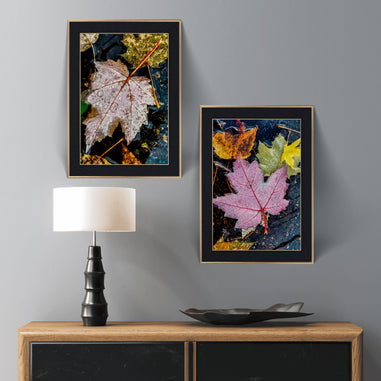
Autumn Foliage Collection
Captured during fall's peak color season (September-October), when deciduous trees and shrubs transform into warm golds, oranges, and burgundies.
The challenge: Peak color lasts only 1-2 weeks and varies by elevation. Timing is critical.
The process: Scouting locations at different elevations, tracking color progression, returning when conditions peak.
The result: Warm, nostalgic images celebrating seasonal transition—the beauty of change, the richness of autumn's palette.
Spring Renewal Collection
Captured during spring's awakening (March-May), when new growth emerges and wildflowers bloom across Washington's diverse ecosystems.
The challenge: Bloom cycles are brief and weather-dependent. Rain and wind can damage delicate subjects.
The process: Monitoring bloom reports, hiking to high-elevation meadows, protecting equipment in unpredictable weather.
The result: Fresh, vibrant images celebrating renewal—new leaves unfurling, blossoms opening, the promise of growth.
Summer Brilliance Collection
Captured during Washington's peak growing season (June-September), when gardens explode with color and alpine meadows reach their floral zenith.
The challenge: Summer's harsh midday light requires precise timing—shooting during golden hour (early morning or late evening) when light is soft and directional. Wind constantly moves delicate petals, requiring patience and multiple attempts. Timing bloom cycles means returning to locations repeatedly as different species peak.
The locations: Botanical gardens and greenhouses offer cultivated beauty—roses, irises, dahlias, lilies, tulips, hydrangeas, and exotic flowers in controlled environments. Mt. Rainier, Olympic, and North Cascades National Parks provide wildflower meadows, alpine lakes, and mountain landscapes. State parks offer accessible forest and foliage photography.
The process: Early morning shoots capture flowers with dew still clinging to petals, soft light revealing texture without harsh shadows. Macro work requires extreme patience—waiting for wind to stop, adjusting position to catch perfect light angles, focusing on the most compelling details. For roses especially, sunlight angle is critical; the wrong light flattens petals, while perfect light reveals depth, texture, and luminous color.
The result: Vibrant, saturated closeup and macro photography celebrating summer's abundance—the velvety texture of rose petals, the delicate structure of iris blooms, the bold geometry of dahlias, the pure elegance of lilies. Lush green foliage, forest trees reaching skyward, alpine meadows carpeted in wildflowers, crystal-clear mountain lakes reflecting surrounding peaks. Every image celebrates God's creation beauty at its most vibrant and alive.
The mood: Energetic yet peaceful, bright yet calming, fresh and full of life. Summer prints bring vitality, optimism, and natural beauty into any space—perfect for rooms that celebrate light, color, and the joy of living.
From Field to Canvas: The Printing Process
After capturing images in the field, The Virtue of God ensures the same commitment to quality continues through printing.
Color accuracy:
- Professional color calibration ensures prints match original captures
- Museum-grade archival inks maintain color fidelity
- Regular quality checks verify consistency
Material quality:
- Premium cotton-poly blend canvas
- Fade-resistant for 75+ years
- Matte finish eliminates glare
- Canvas texture adds natural depth
Eco-conscious production:
- Printed on-demand to minimize waste
- Sustainable materials and processes
- Recyclable packaging
- Carbon-conscious shipping
Quality control:
- Every print inspected before shipping
- Protected packaging ensures safe arrival
- 30-day satisfaction guarantee
The Virtue of God Story
For five years, Martha has been capturing Washington State's hidden beauty—the details most people walk past, the moments that exist for minutes before changing, the artistry nature creates when no one is watching.
What drives this work:
A belief that nature's authentic beauty—unmanipulated, unenhanced, real—has the power to transform spaces and improve lives. That bringing genuine moments of natural wonder into homes creates connection, calm, and inspiration.
The mission:
To reveal nature's hidden artistry through authentic macro and nature photography. To protect the wild spaces that inspire this work. To create art that enhances well-being through biophilic design.
Read our complete story → https://www.thevirtueofgodbrand.com/pages/our-story
Experience the Difference
When you choose The Virtue of God, you're choosing:
✓ Authentic photography - Real moments, real locations, real dedication
✓ Professional quality - Museum-grade materials, archival inks, expert printing
✓ Ethical practices - Leave No Trace principles, conservation support
✓ Unique artwork - Images that can't be replicated or found elsewhere
✓ Biophilic benefits - Authentic nature connection that improves well-being
Explore Our Collections
Winter Photography → https://www.thevirtueofgodbrand.com/collections/winter-frozen
Frost-covered leaves, icy landscapes, crystalline beauty
Spring Photography → https://www.thevirtueofgodbrand.com/collections/spring-magic-1
Blossoms, new growth, renewal
Summer Photography → https://www.thevirtueofgodbrand.com/collections/summer-brilliance-1
Vibrant florals, alpine meadows, lush landscapes—roses, irises, dahlias, lilies, wildflowers
Autumn Photography → https://www.thevirtueofgodbrand.com/collections/festive-autumn
Fall foliage, warm colors, seasonal transitions
All Nature Photography → https://www.thevirtueofgodbrand.com/collections
Browse our complete collection
Frequently Asked Questions
Where exactly do you shoot?
Mt. Rainier National Park, Olympic National Park, North Cascades National Park, and various Washington State parks. Specific locations are not disclosed to protect sensitive areas from overuse.
Do you use any digital manipulation?
No. Colors, textures, and details are authentic to the original capture. Basic adjustments (exposure, contrast) are made to match what the eye saw in person, but no artificial elements are added or removed.
How long have you been doing nature photography?
The Virtue of God has been capturing Washington's nature photography for five years, with a focus on macro work revealing hidden details.
What equipment do you use?
Professional macro equipment capable of 1:1 magnification, revealing microscopic details invisible to the naked eye. Specific models are not disclosed.
Do you shoot in all weather conditions?
Yes. Some of the most compelling images come from challenging conditions—heavy rain, freezing temperatures, snow, and wind. Authentic nature photography means capturing nature as it exists, not just on perfect days.
How do you find your subjects?
Macro photography requires slowing down and looking closely. Subjects are found through patient observation, returning to locations repeatedly, and training the eye to see details others miss.
Do you ever stage or arrange scenes?
Never. Every image captures nature exactly as found. No flowers are picked, no elements moved, no artificial arrangements created.
How long does a typical shoot take?
Including travel, hiking, shooting, and return: 6-12 hours. Some locations require 10-mile round-trip hikes with significant elevation gain.
What's the most challenging shoot you've done?
Spending several hours in heavy rain and freezing temperatures, waiting for brief breaks in weather to capture frost-covered leaves with perfect lighting. Also, hiking 10-mile mountain trails carrying equipment to reach remote alpine locations.
Why is authentic photography important?
Authentic photography offers truth—real moments, real beauty, real connection to nature. In an age of AI and manipulation, authenticity matters more than ever. Plus, research shows authentic nature imagery provides greater wellness benefits than artificial images.
Bring Authentic Nature Home
Transform your space with genuine moments captured in Washington's wilderness. Every print represents hours of dedication, challenging conditions, and commitment to revealing nature's hidden beauty.
Shop All Collections → https://www.thevirtueofgodbrand.com/collections